

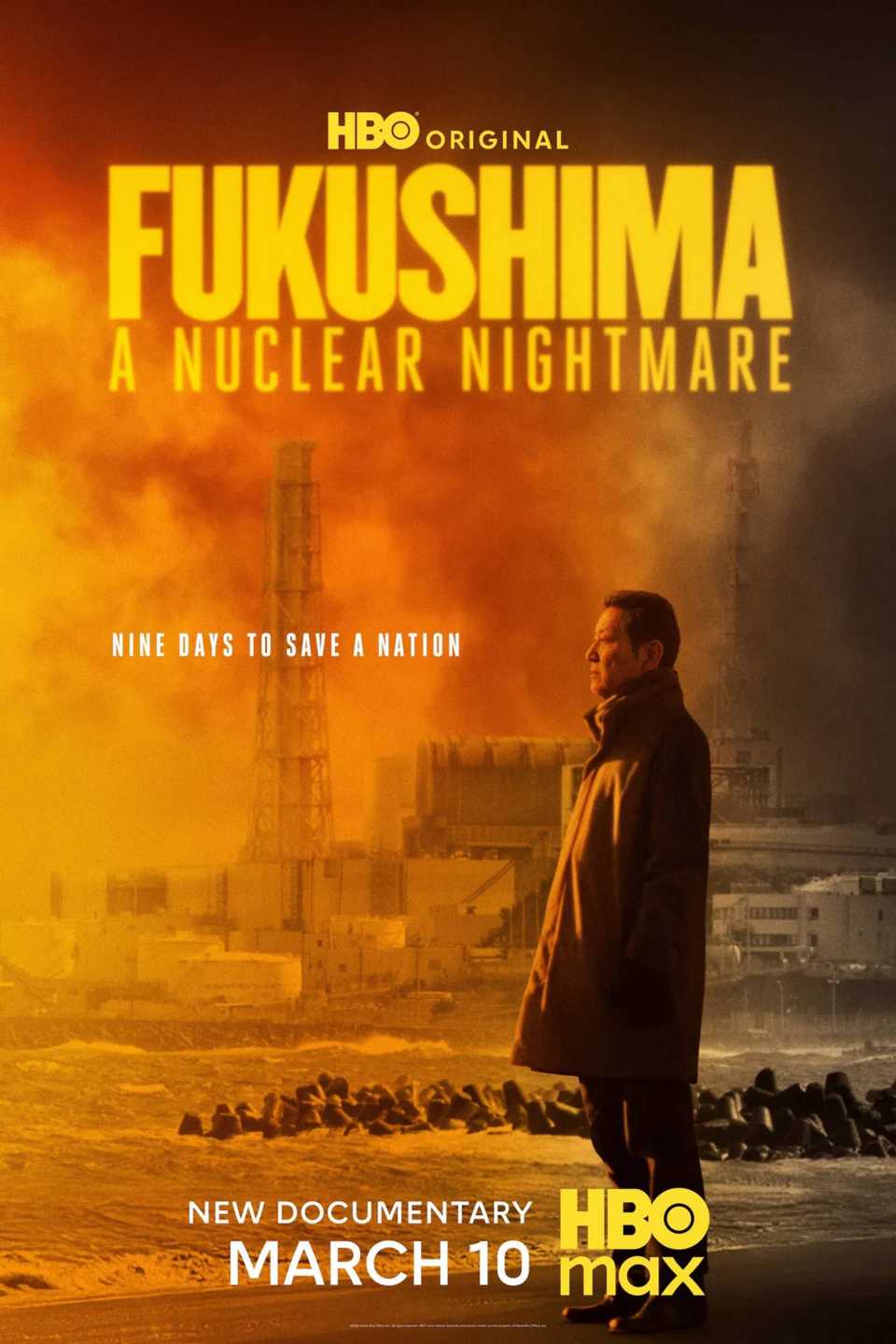
Fukushima: A Nuclear Nightmare is directed by James Jones and Megumi Inman, the former of whom is a prolific, BAFTA and Emmy award-winning documentary director. The film explores the events of the catastrophic Fukushima nuclear accident in real-time detail with interviews with the people who were there.
HBO Max’s New Documentary Explores The Fukushima Nuclear Accident From 2011
On March 11, 2011, following a major earthquake and 15-meter tsunami, a significant nuclear accident began at the Fukushima Daiichi Nuclear Power Plant in Ōkuma, Fukushima, Japan. The tsunami disabled power supplies, and three nuclear cores melted in the first three days of the accident (via WorldNuclearAssociation). It was the largest civilian nuclear accident since Chernobyl (via UNSCEAR).
At least 164,000 residents in surrounding areas were permanently or temporarily displaced (via ScienceDirect). Unlike Chernobyl, however, there were no deaths from the meltdown, and no adverse health effects have been documented that are directly attributable to the radiation exposure (via JStage).
Fukushima: A Nuclear Nightmare Is A Short, But Gripping Documentary
At only 90 minutes, Fukushima: A Nuclear Nightmare is a short watch, but it’s powerful in its brevity. The doc uses a mix of archival footage and talking heads to help explain what happened in the lead-up to the nuclear meltdown. What becomes abundantly clear is the heroism and quick thinking of the employees of the power plant.
It was through their actions that the fallout from the event was contained. Even more frightening than the thought of a Chernobyl-like event is the very real footage of 15-foot swells blowing through Japanese towns, carrying cars away like they are toys. Over 18,000 people died in the 2011 Tōhoku earthquake and tsunami (via NCEI).
If anything, Fukushima proves that the safety measures put in place at the plant worked exactly as intended. You will still feel a sense of dread as some of the people interviewed tell the camera that there were warning signs that were ignored, and that safety protocols weren’t followed.
Why The Fukushima Nuclear Accident Is Still Worth Discussing 15 Years Later
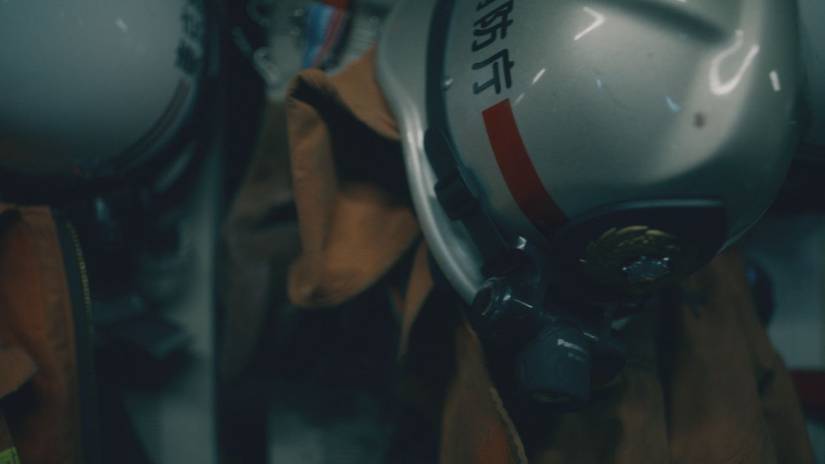
The Fukushima nuclear accident is still worth discussing even 15 years later, because it’s another reminder of how critical it is to listen to the experts when it comes to technology with the potential for catastrophe. It’s also worth discussing to show how far we’ve come with nuclear energy.
The 2011 Tōhoku earthquake and tsunami were an epic disaster that killed thousands and erased Japanese towns from existence. That same earthquake caused three nuclear reactors to melt at Fukushima, and yet there have only been a handful of cancer cases attributed to the fallout (via APNews).
Still, every year, people claim their cancer can be attributed to Fukushima (via NYTimes). It could be years before we get the full picture of the meltdown’s impact, but documentaries like Fukushima: A Nuclear Nightmare keep the conversation going.
- Release Date
-
February 20, 2026
- Runtime
-
90 Minutes
- Director
-
James Jones, Megumi Inman
- Producers
-
Megumi Inman