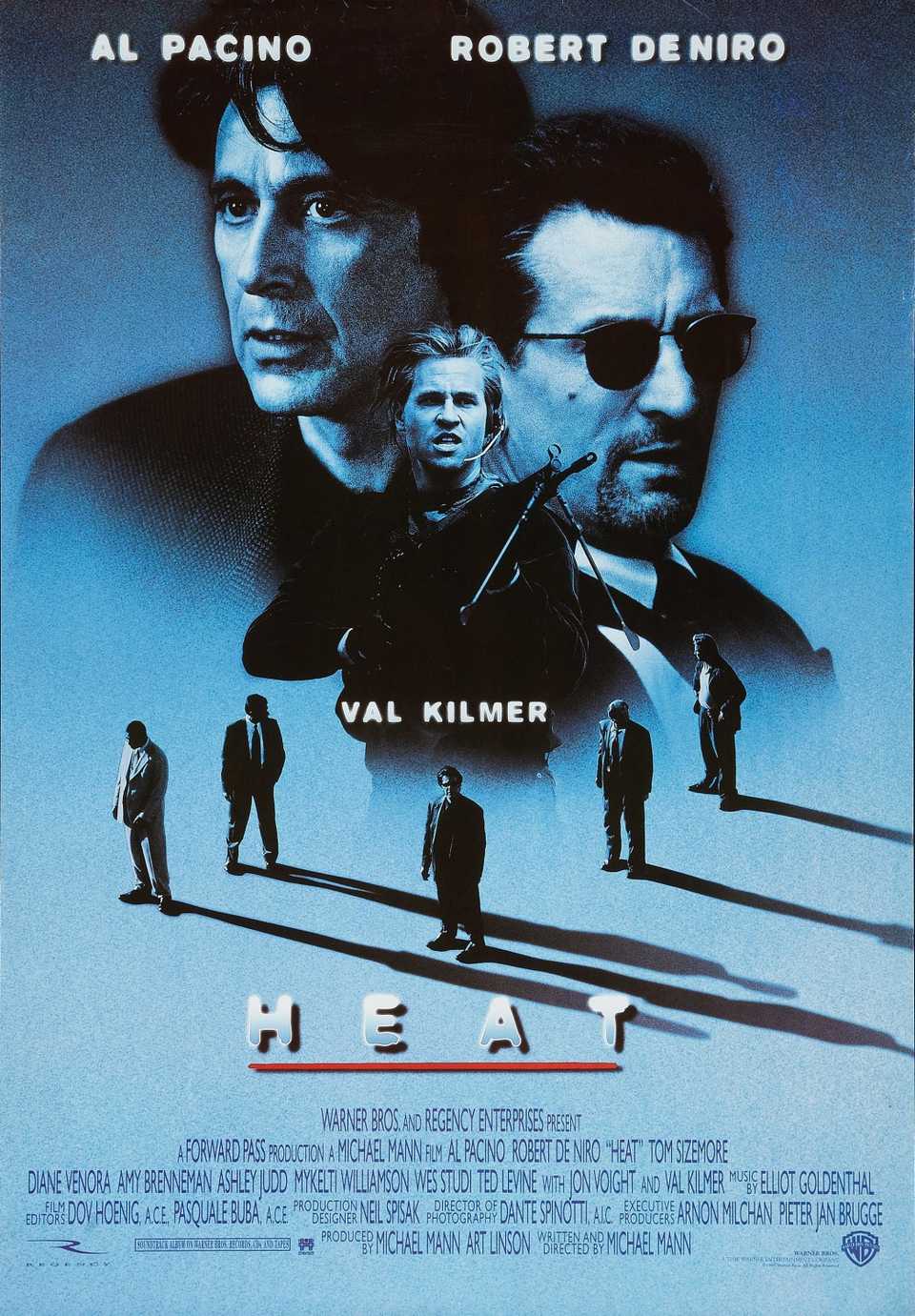
Based on the 2022 novel co-written by Mann, the movie is supposed to be a sequel and a prequel, delving into the backstories of Heat‘s main characters while simultaneously following their fates after the events of the original movie. With the filming start date confirmed by Michael Mann, Heat 2 is one of the most exciting movies currently in production.
Many movie franchises are returning in 2026, and while we have to wait longer for the release of Heat 2, it will be coming out at the most opportune moment in Hollywood. However, only a few movies can still generate buzz after 31 years for a sequel that is mostly unnecessary in narrative terms since Heat is a complete film.
Heat Spends Time Developing Every Subplot
Heat follows a crew of thieves led by Neil McCauley (Robert De Niro), accompanied by Val Kilmer as Chris Shiherlis, Tom Sizemore as Michael Cheritto, and Danny Trejo as Trejo. They’re being closely followed by Detective Vincent Hanna (Al Pacino) and his colleagues in the Major Crimes Unit of the LAPD after a surprise escalation puts them on his radar.
However, Heat isn’t restricted to just these primary characters. Hanna’s girlfriend, played by Diane Venora, Chris’ wife, played by Ashley Judd, and MCauley’s love interest, played by Amy Brenneman, are fully fleshed out characters. It is rare for a heist movie to develop its world beyond the details necessary for the main plot, but Mann was thorough when writing Heat.
One of Val Kilmer’s best movies from the 1990s, the best aspect of Heat as a heist movie is its judicious use of its extensive runtime. It leaves no questions unanswered and completes every character’s arc. The movie is focused on the plot while giving every minor character their due as well, following them until the end of the film.
Heat’s Characters Are Consistent Throughout
What’s even more impressive about Michael Mann’s delicate balancing act of screen times and narrative relevance is the manner in which every character is true to themselves throughout the runtime. You know early on, through a few noteworthy interactions, what kind of person they are, and even their shocking decisions feel perfectly justified because the movie sets them up patiently.
Robert De Niro ending the debate about his character’s decision in the movie’s climax further demonstrates how Michael Mann uses the time he has to establish the rationale behind character choices that may seem uncharacteristic. It’s not rare for crime films to betray audiences for shock value, but Heat, despite its calculated approach to maintaining transparency with viewers, doesn’t disappoint.
Heat Depicts The Exhausting Nature Of Crime And Crime Fighting
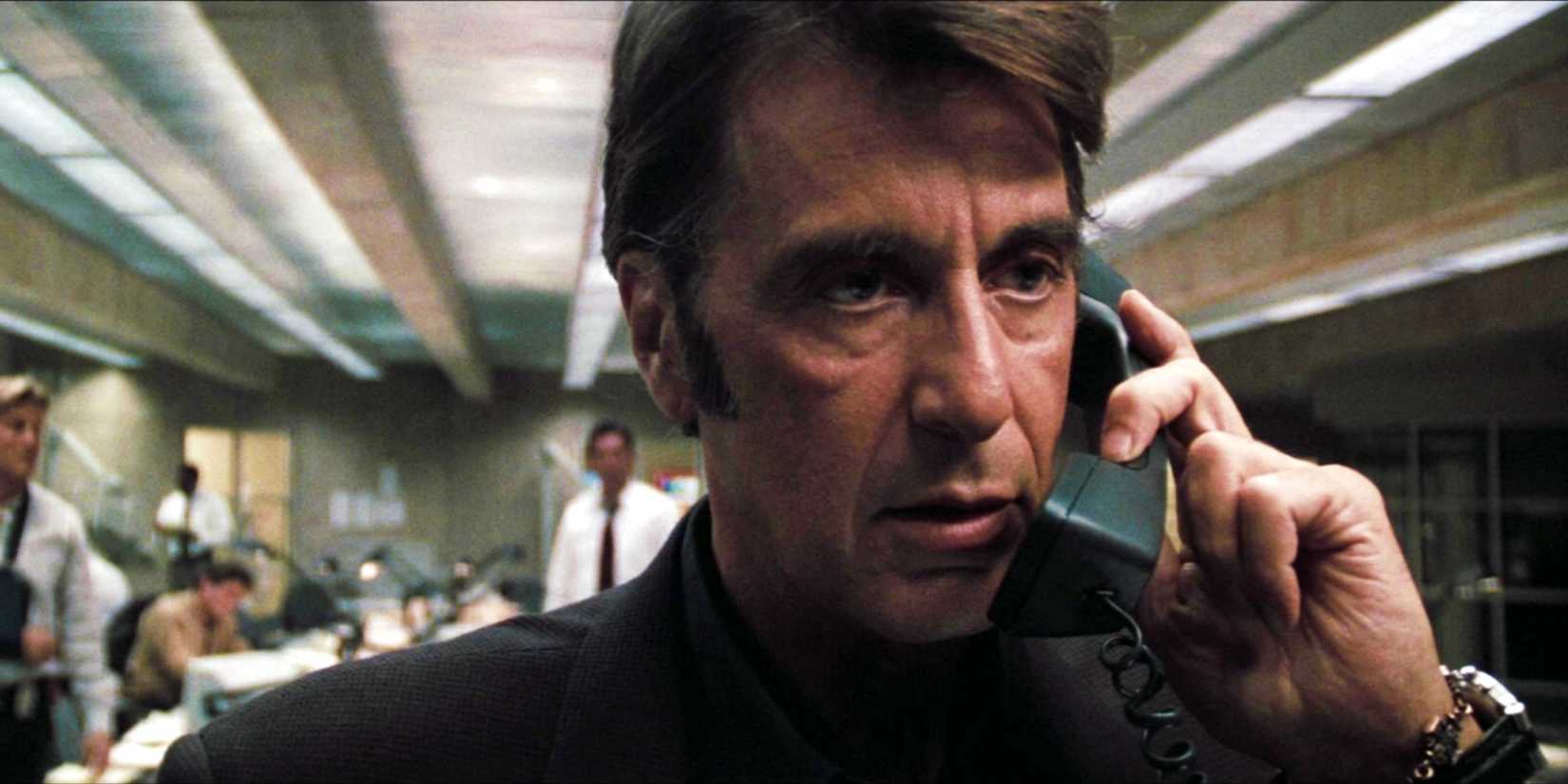
Heat is an action thriller that remains perfect from start to finish because it treats every sequence as worthy of attention, focusing on minute details even if typical filmmaking logic would argue that jumping through time would retain narrative crispness and thrill factor. From planning to escaping, every aspect of the heists in Heat is portrayed meticulously without becoming monotonous.
Similarly, it portrays how exhaustive police work needs to be. Heat resists one of the most consistent crime movie tropes by depicting the police as competent and thorough. The movie follows them through every possible avenue, even in unsuccessful moments, to convey the sense of monotony that most detective movies refuse to portray for fear of losing the audience’s attention.
It Features De Niro And Al Pacino’s First Scene Together
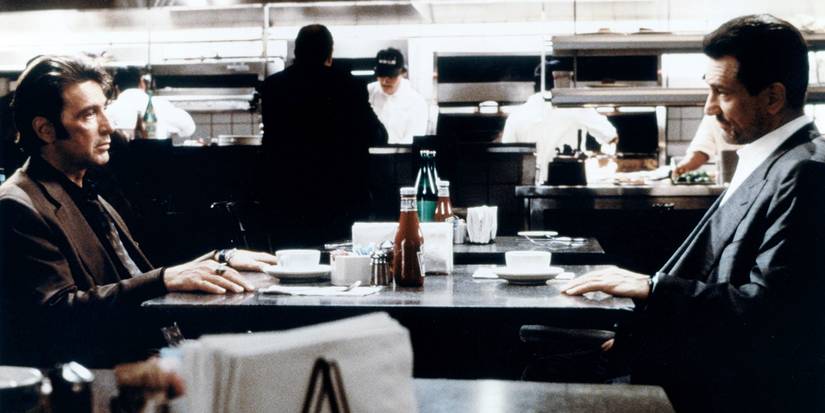
In the history of modern Hollywood, few actors are as decorated as Al Pacino and Robert De Niro. They have shared the stage for over five centuries now. They both debuted in feature films in 1969 and rose to fame after their performances in The Godfather and Mean Streets, respectively, before working together in The Godfather Part II in 1974.
Yet, they didn’t share the screen until their diner scene 21 years later in Heat. The movie’s iconic status is cemented by its legacy as being the first film to feature the two stars in the same shot. Every review of Michael Mann’s Heat praises their chemistry while having dinner despite being characters on the opposite sides of the law.
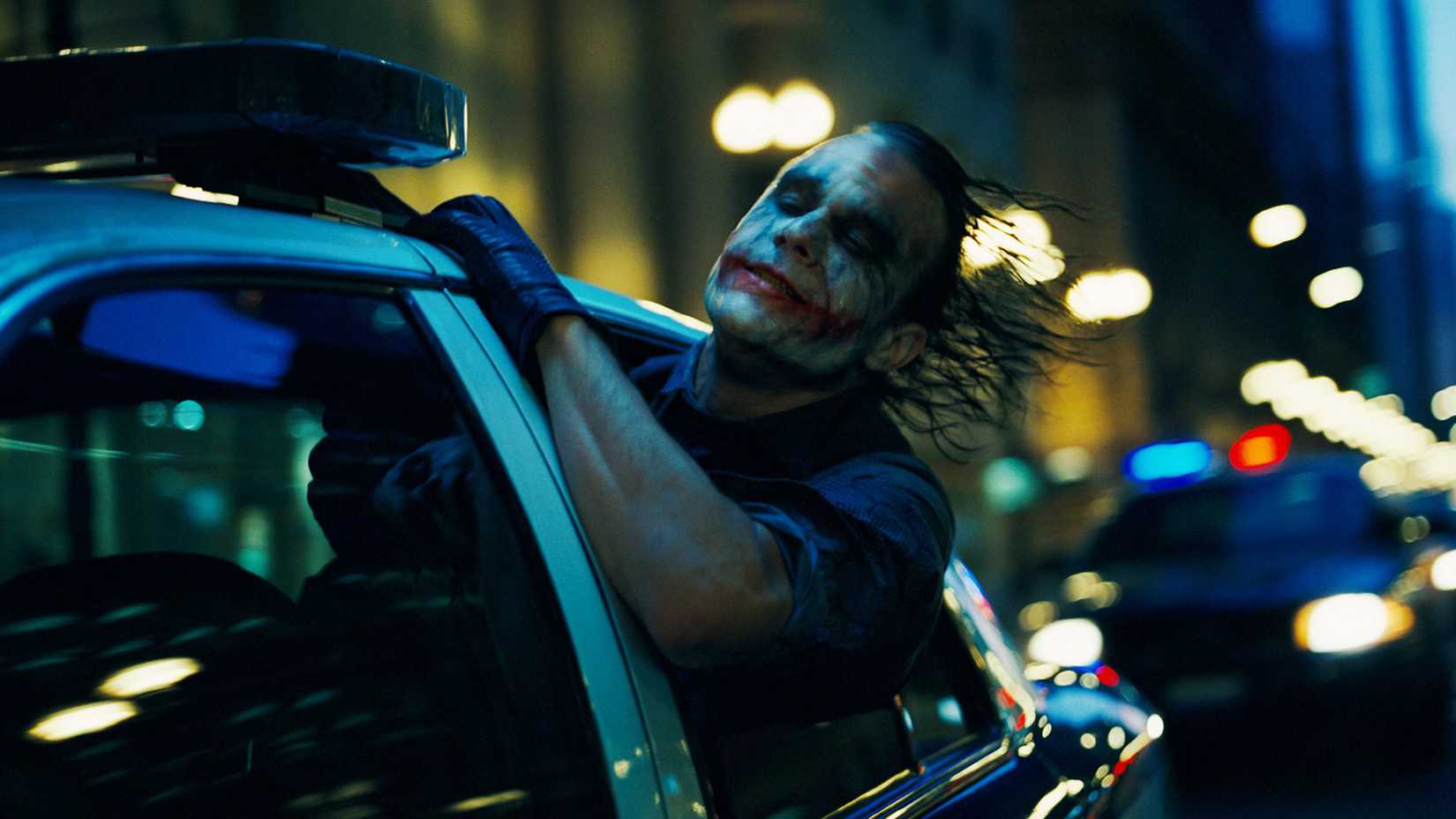
The best metric to measure a film’s impact on the industry is accounting for all the movies it has inspired over the years. In the past 31 years, not only have a plethora of crime films attempted to recreate Heat, often by blatantly copying it, but they have also referenced it as inspiration for their characters within the movies’ worlds.
Even Christian Bale’s The Dark Knight was inspired by Heat despite being a comic book movie and a genre far removed from Heat. The Batman movie is also a character study like Mann’s film, and is only one of many examples. It now remains to be seen whether Heat 2 lives up to the expectations created by its hard-to-top predecessor.